

2 Nov 2026 · 3 min read
Quick answer
- Take a basic rider course first; in many states passing it also replaces the skills test.
- Budget for the whole cost: the bike, tax and fees, insurance, gear and a first service.
- Start on a bike you can hold up and stop easily: a lighter bike with a gentle engine and ABS.
- A used bike is cheaper, but check the title, the VIN and the service history.
- Buy a helmet, jacket, gloves, boots and pants before you buy anything else.
Short answer: get the training and the licence first, then set a budget that includes tax, insurance and gear, and pick a light, easy bike with a gentle engine. Most new riders do best on a small or mid-size bike for the first year or two.
Quick points
- Licence first. Take a basic rider course (the Motorcycle Safety Foundation course is the best known). In many states passing it replaces the riding test at the DMV.
- Budget the whole cost, not only the price on the website: add freight, dealer fees, tax and registration (MSRP vs out-the-door), insurance and gear.
- Choose a bike you can control: seat height you can reach, weight you can hold up at a stop, power that does not surprise you, and ABS.
- Gear is not optional: a helmet, jacket, gloves, boots and riding pants.
- Try before you buy: sit on several and ask for a test ride.
Step by step
- Take a rider course. You learn the basics on a small bike that is lent to you, and you find out if you like riding.
- Get the licence or endorsement on your state licence. Ask your DMV what it needs.
- Set the budget. Include the bike, sales tax and fees, insurance, gear, and a first service. Do not stretch for a bike you will outgrow in a year.
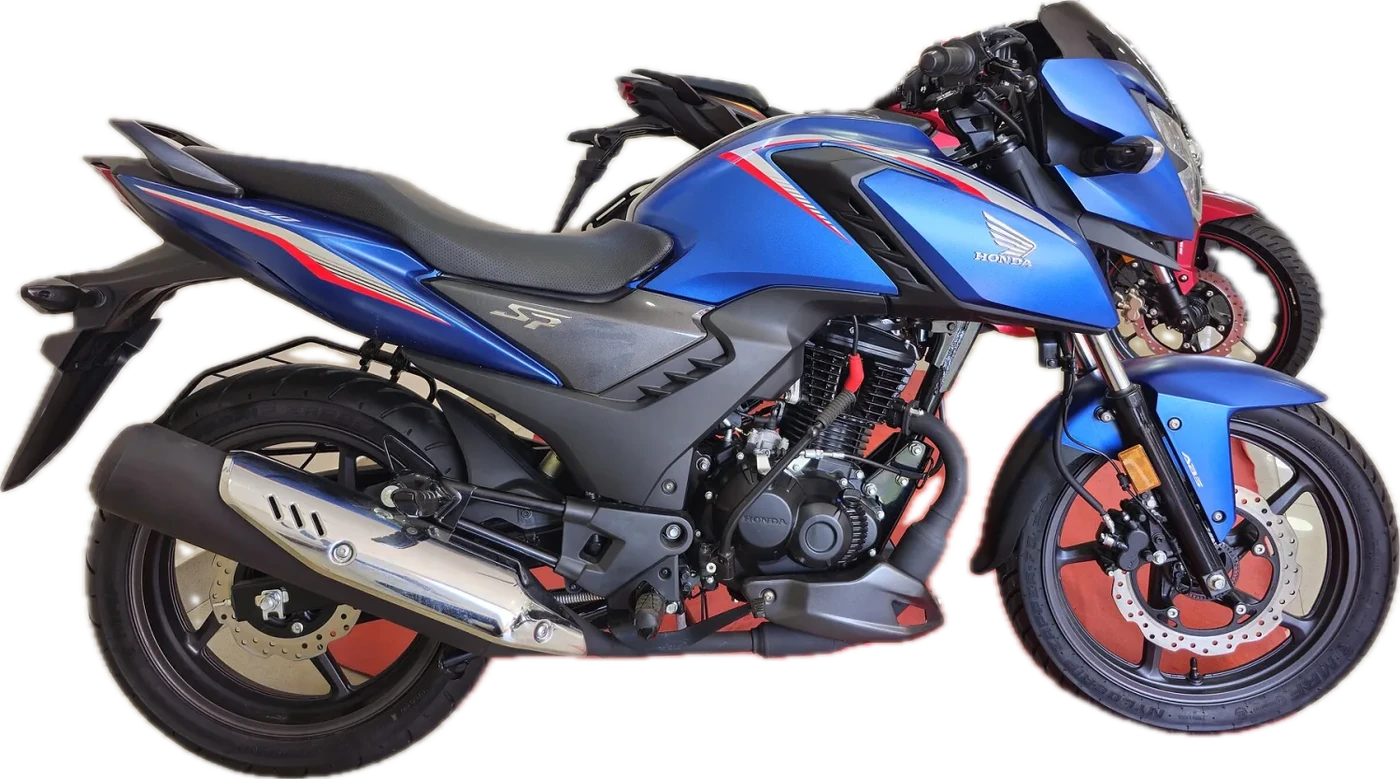
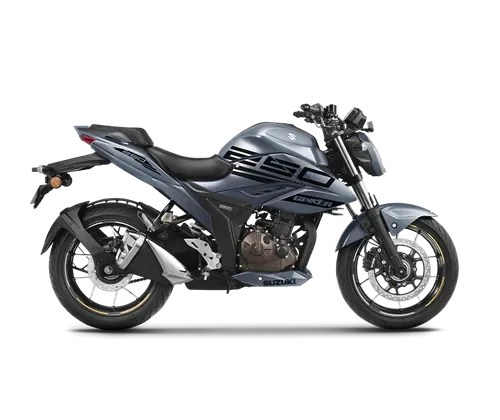
- Choose the type. A standard or naked bike is easy to ride and sits upright. A cruiser has a low seat. A small adventure or dual-sport bike handles bad roads. A sports bike is fast and leans you forward, so it is a harder first choice.
- Look at the price lists. Browse by budget, for example motorcycles under $5,000 or under $8,000, and compare engine size, power and weight.
- New or used. New comes with a warranty and no history to worry about. Used costs less, but check the title, the VIN, the service history and the tyres, and have a mechanic look at it.
- Insure and register it (how to register a motorcycle).
- Ride in easy places first, with the gear on, at times when the roads are quiet.
Common questions
What size engine should a beginner choose? There is no single rule. Many beginners start between about 250 and 500 cc, or on a light electric bike; what matters more is the weight, the seat height and how smoothly it delivers power.
Is a used bike a good first bike? Often yes: a first bike can fall over in a car park, and a used one hurts less. Do the checks above.
Do I need ABS? It is not required everywhere, but it is a clear help on wet or loose roads and is worth paying for.
This guide is general information. Rules and course names change, so check your state's motor vehicle agency and the course provider.
Follow Road Connects