



1 Nov 2026 · 4 min read
Quick answer
- A dry chain squeaks, a loose chain rattles and a worn chain with tired sprockets grinds.
- Clean it, oil it and check the slack before anything else: this fixes most noises.
- Chain and both sprockets wear together; change them as a set.
- A chain that jumps or is hooked in a hook-shaped tooth is unsafe: stop and see a mechanic.
- Your manual gives the right slack for your model.
Short answer: a chain that squeaks is usually dry, one that rattles is usually too loose, and one that grinds or jumps is usually worn out together with its sprockets. Clean and oil it, check the slack, and if the sound stays, have the chain and sprockets looked at.
Listen first
Turn the engine off, roll the bike a little and then listen while riding in a quiet street. The sound tells a lot.
- A thin, dry squeak that repeats with each wheel turn: the chain wants oil.
- A loose rattle over bumps, mostly when you let go of the throttle: the chain is too slack.
- A grinding or crunching feel: the chain and sprockets are worn.
- A sudden tick every few seconds: one stiff link. Look for a link that does not bend like the others.
What you can do in ten minutes
- Put the bike on its stand and clean the chain with a soft brush and a little kerosene or chain cleaner. Do not use petrol.
- Wipe it dry, then put chain lube on the inner side of the chain while turning the wheel by hand.
- Check the slack midway between the two sprockets. Your owner's manual gives the correct amount for your model, so do not guess.
- Look at the rear sprocket teeth. Healthy teeth look like even waves. Teeth that look like shark fins or hooks are finished.
Chain and sprockets wear together
This is the thing most riders learn the expensive way. A worn chain eats a new sprocket within weeks, and a worn sprocket ruins a new chain. So when one is replaced, change the chain and both sprockets as a set. It costs a little more on the day and saves money over the year.
When to stop riding
- The chain jumps on the sprocket when you accelerate.
- A link is cracked or the side plates look bent.
- Teeth are hooked and thin. A chain that breaks at speed can lock the rear wheel or damage the engine casing, so do not push your luck here.
Make the chain last
- Oil it regularly, more often in the rains and after riding through mud or water.
- Keep the slack right: too tight is as bad as too loose.
- Wipe the dirt off before you oil. Oil on top of grit is grinding paste.
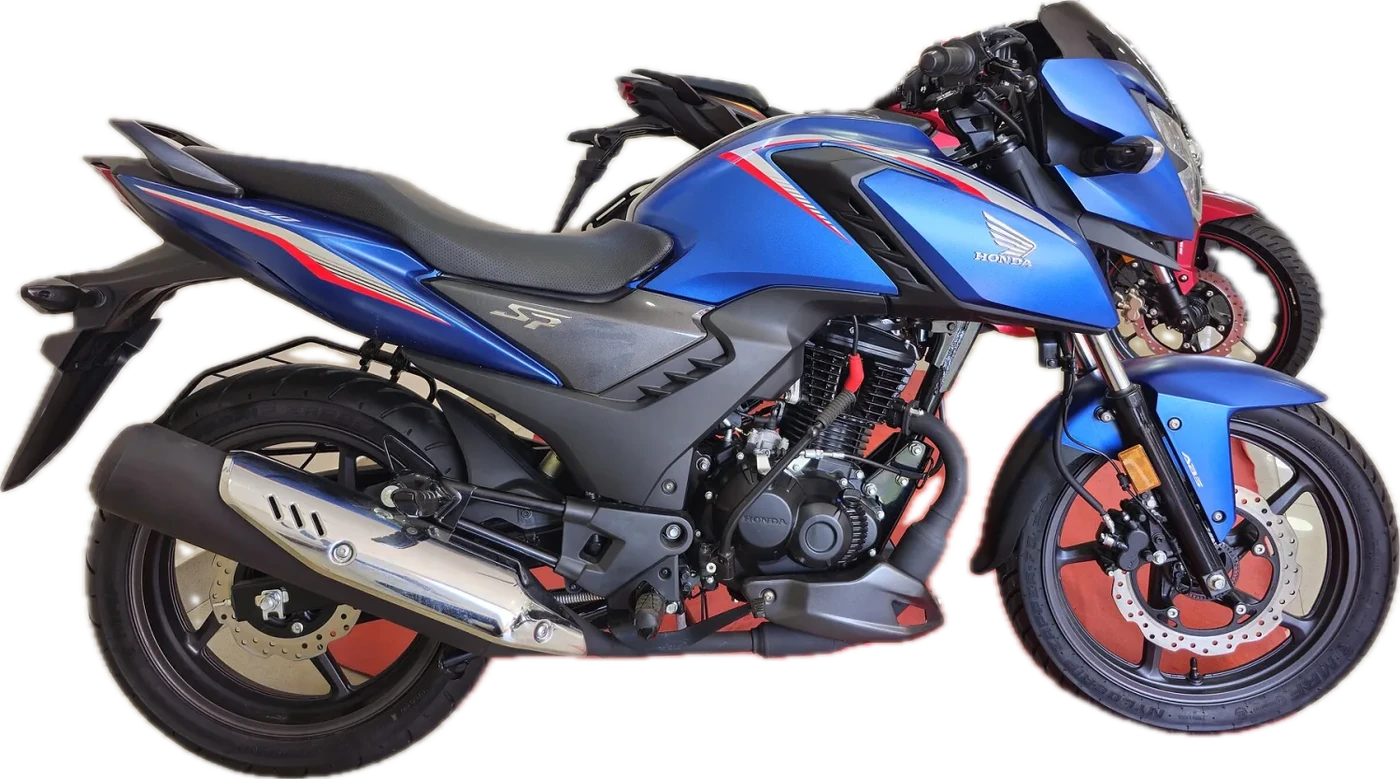
- Chain-driven bikes such as the Yamaha FZS V4, Honda SP 125 and Bajaj Pulsar 150 all follow the same rule. Scooters with a belt drive have their own parts.
Questions people ask
Why does my chain make noise even after oiling?
The chain may be too loose or too tight, or the chain and sprockets may be worn. Oil only helps a chain that is healthy.
How often should I oil the chain?
Often enough that it never looks dry. In the rains and on dusty roads, check it every few days.
Can I change only the chain?
You can, but if the sprockets are worn the new chain will wear out quickly. Change the set together.
Is it safe to ride with a noisy chain?
A dry chain is fine until you oil it. A chain that jumps or has a cracked link is not safe: stop and see a mechanic.
Check your owner's manual for the correct slack and service interval for your model.
Vehicles in this article
Open one for the full specs, variants and prices.
Honda
SP 125
From ৳160,476 ৳1.6 lakh
Yamaha
FZS V4
From ৳299,500 ৳3 lakh
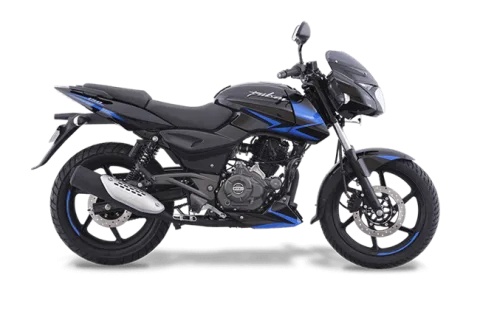
Bajaj
Pulsar 150
From ৳205,200 ৳2.05 lakh
Follow Road Connects